
Table of Contents
- Protect Your Dog's Paws From Salt and Ice
- Keep Your Dog on Leash Around Ice and Frozen Water
- Watch for Signs of Frostbite and Hypothermia in Your Dog
- Be Mindful of Antifreeze and Other Toxic Hazards Around Your Dog
- Never Leave Your Dog in a Cold Car
- Dry Your Dog Off Thoroughly When You Come Inside
- Be Mindful When Letting Your Pup Roam Free
- Consider Their Coat Length
- Revisit Your Dog's Meal Plan
- Warm Your Pup Up Before Heading Outside
- Keep Time Outside Short
- Frequently Asked Questions
Let's face it, winter has a way of hanging around longer than any of us would like. For pet parents living in areas where cold temperatures are still in full swing, it's important not to forgo exercise just because it's cold. It's equally important to keep up with safety precautions with your pup, no matter their age or size.
That's why we've rounded up our top winter safety tips to keep your dog healthy and happy all season long:
Protect Your Dog's Paws From Salt and Ice
Winter sidewalks are tough on your dog's paws. Salt and ice-melting products used on roads and sidewalks can irritate the pads and, in severe cases, even cause chemical burns. Make sure to thoroughly wipe down your dog's paws and belly as soon as you get back inside. Don't forget the stomach, as salt and chemicals can cling to the fur underneath and cause irritation if your dog licks themselves.
If your dog's paws are becoming red or cracked, a paw salve or a thin layer of petroleum jelly applied before walks can act as a protective barrier between their pads and the ground. Dog booties are another great option, though take them off if your dog starts acting uncomfortable or tries to rip them off.
Keep Your Dog on Leash Around Ice and Frozen Water
Just like us, dogs can slip and fall on icy surfaces. Keep them on a leash around ice to avoid a potentially dangerous tumble. And never let your dog walk on frozen ponds, lakes, or rivers. The ice may look solid, but it may not hold their weight, and a fall through the ice is a serious emergency.
Watch for Signs of Frostbite and Hypothermia in Your Dog
This is one of the most important things a dog owner can know heading into winter. If your dog has been outside in extreme cold, check their ears, paws, and tail for signs of frostbite; these are the areas most vulnerable to freezing.
Signs to look for include:
- Shivering or trembling
- Lethargy or weakness
- Pale, grey, or bluish skin
- Weak pulse
- Whining or acting unusually stiff
If you notice any of these signs, move your dog to a warm, dry area right away and call your vet immediately. Never rub frostbitten areas, as this can cause further damage.
Be Mindful of Antifreeze and Other Toxic Hazards Around Your Dog
Antifreeze is one of the most dangerous winter hazards for dogs and one of the sneakiest. It has a sweet taste that attracts dogs, making even a small spill on the driveway a serious risk. Keep antifreeze stored safely out of reach, clean up any spills immediately, and watch your dog carefully around driveways and parking lots.
Your dog may also be tempted to lick ice or eat snow if they're thirsty, but this can expose them to harmful chemicals on the ground. Always make sure your dog has access to fresh, unfrozen water to keep them from seeking hydration elsewhere.
Important tip: If there's only a light dusting of snow, typically anything less than 2 inches, don't let your dog lick it, as they may end up licking the sidewalk and whatever's on it.
Never Leave Your Dog in a Cold Car
Most people know not to leave a dog in a hot car in summer, but cold cars are just as dangerous. In winter, a parked car can drop to freezing temperatures very quickly and act like a refrigerator, putting your dog at serious risk of hypothermia. If you're running errands, leave your pup at home where it's warm.
Dry Your Dog Off Thoroughly When You Come Inside
Wiping down your dog's paws is important, but don't stop there. Wet fur can prevent your pup from regulating their body temperature properly, putting them at risk of getting sick.
Give your dog a good towel dry after any walk in the snow, rain, or puddles, paying special attention to their belly, legs, and paws.
Be Mindful When Letting Your Pup Roam Free
Dogs tend to lose their sense of smell in extremely cold weather, which can cause them to become disoriented and lost. Believe it or not, winter has some of the highest rates for lost dogs, so always keep a close eye on your pup when they're off leash in the snow.
Consider Their Coat Length
If you live in a colder area, ask your groomer to leave your dog's coat a little longer than usual during the winter months. The extra length helps them stay warm when temperatures drop. Just make sure you're keeping up with regular brushing at home; longer coats can develop painful mats if they're not properly maintained.
For short-haired dogs, puppies, or senior dogs, a jacket or sweater is a great investment for any time they head outside in the cold. Make sure it covers from the neck to the base of the tail for the best protection.
Revisit Your Dog's Meal Plan
During the winter months, your dog may be less active, so feeding them too much can make them even more sluggish. If your dog is keeping up with regular exercise in the cold, keep in mind that working out in low temperatures burns more energy, as their body works harder to stay warm. Make sure they have plenty of food after a workout.
Changing the flavor of their food can make mealtime a little more exciting during the slower winter months, but stick with the same brand to avoid any tummy issues.
Warm Your Pup Up Before Heading Outside
Avoid the shock of cold weather by getting your dog's blood pumping before you head out the door. Just like you'd stretch before a workout, toss or roll a soft ball around the house a few times to get your pup moving before the cold hits.
Most dogs are comfortable as long as the temperature stays above 45°F. Below that, you should limit outdoor time, especially for small breeds, puppies, senior dogs, and short-haired dogs. Below 20°F, most dogs should only be outside for quick potty breaks.
Read our blog How Cold Is Too Cold for Dogs? to learn more about what different temperatures mean for your pup.
Keep Time Outside Short
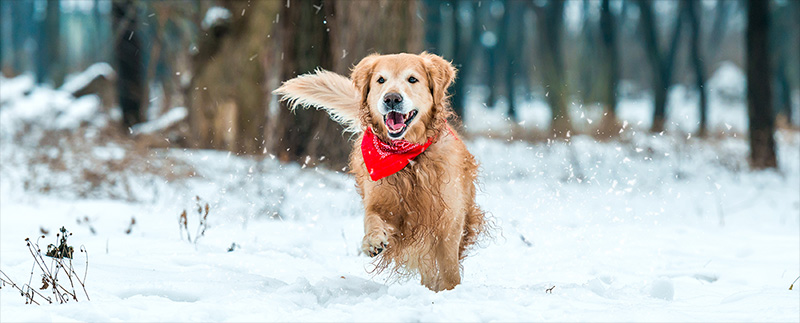
It's great to let your pup enjoy the snow, and they'll love it! But always supervise them and never let them stay outside for too long. Between bare paws on frozen ground and the faster loss of body heat in cold temperatures, the cold catches up with dogs quicker than you might expect. When in doubt, keep it short and get them back inside to warm up.
Don't let the cold put a damper on your pup's routine. Camp Bow Wow is a warm, safe, and fun place for your dog to play, socialize, and stay active all winter long, while you stay warm too. Find your local Camp today and keep the tail wags going all season!
Frequently Asked Questions
Why Does My Dog Eat Snow?
It's pretty common for dogs to munch on snow; it's cold, it's new, and it's basically everywhere during winter walks. A little snow here and there usually isn't a big deal, but it's worth keeping an eye on. If your dog is eating a lot of snow, they may simply be thirsty; so make sure they have access to fresh water.
The bigger concern is what might be mixed in with the snow; salt, ice melt chemicals, and antifreeze can all end up on the ground and get picked up when your dog licks snow off the sidewalk or driveway. When in doubt, redirect them and save the snow snacking for clean, fresh powder away from treated surfaces.