

Table of Contents
- Common Houseplants That Are Toxic to Dogs
- Signs Your Dog Ate a Toxic Plant
- What to Do If Your Dog Eats a Toxic Plant
- Dog-Safe Houseplants
- How to Keep Your Dog Away From Plants
- Helpful Resources on Plant Safety for Dogs
- Frequently Asked Questions
You love being a dog parent, and maybe you're becoming a plant parent too. Good news: you can absolutely be both, you just need to know which greenery is safe. Many common houseplants are toxic to dogs, ranging from mild mouth and stomach irritation to serious, sometimes life-threatening reactions.
Since dogs explore the world with their mouths, it's worth knowing which plants to keep out of your home or well out of reach. Below, we'll cover the most common toxic houseplants, the signs to watch for, dog-safe alternatives, and what to do if your pup takes a bite.
Common Houseplants That Are Toxic to Dogs
Below are some of the most common houseplants that can be toxic to your pup. Keep in mind this isn't a complete list, so when in doubt about a plant, check the ASPCA's toxic plant database or ask your vet:
Sago Palm
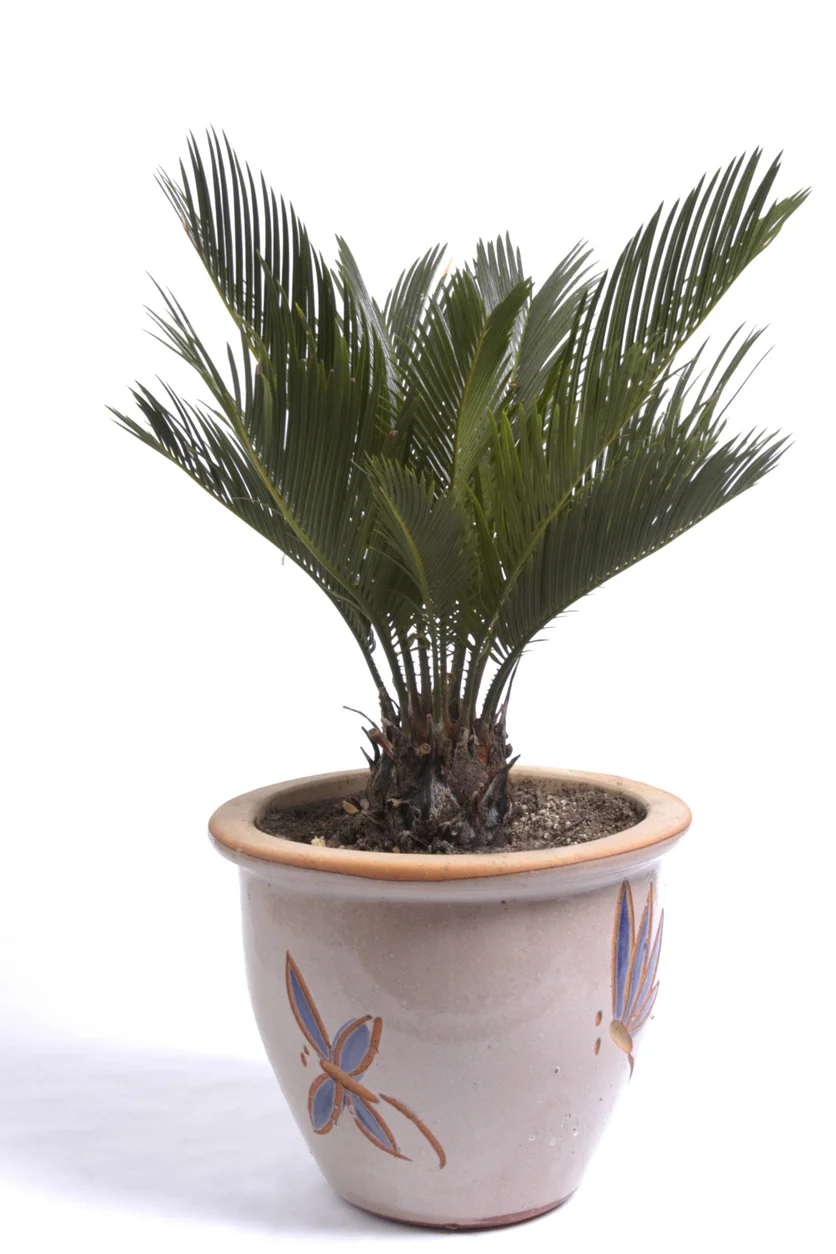
Sago Palm is one of the most dangerous plants for dogs. Every part is toxic, and even a small amount, especially the seeds, can cause severe liver damage and be life-threatening. Seek emergency care right away if your dog eats any part of it.
Lilies
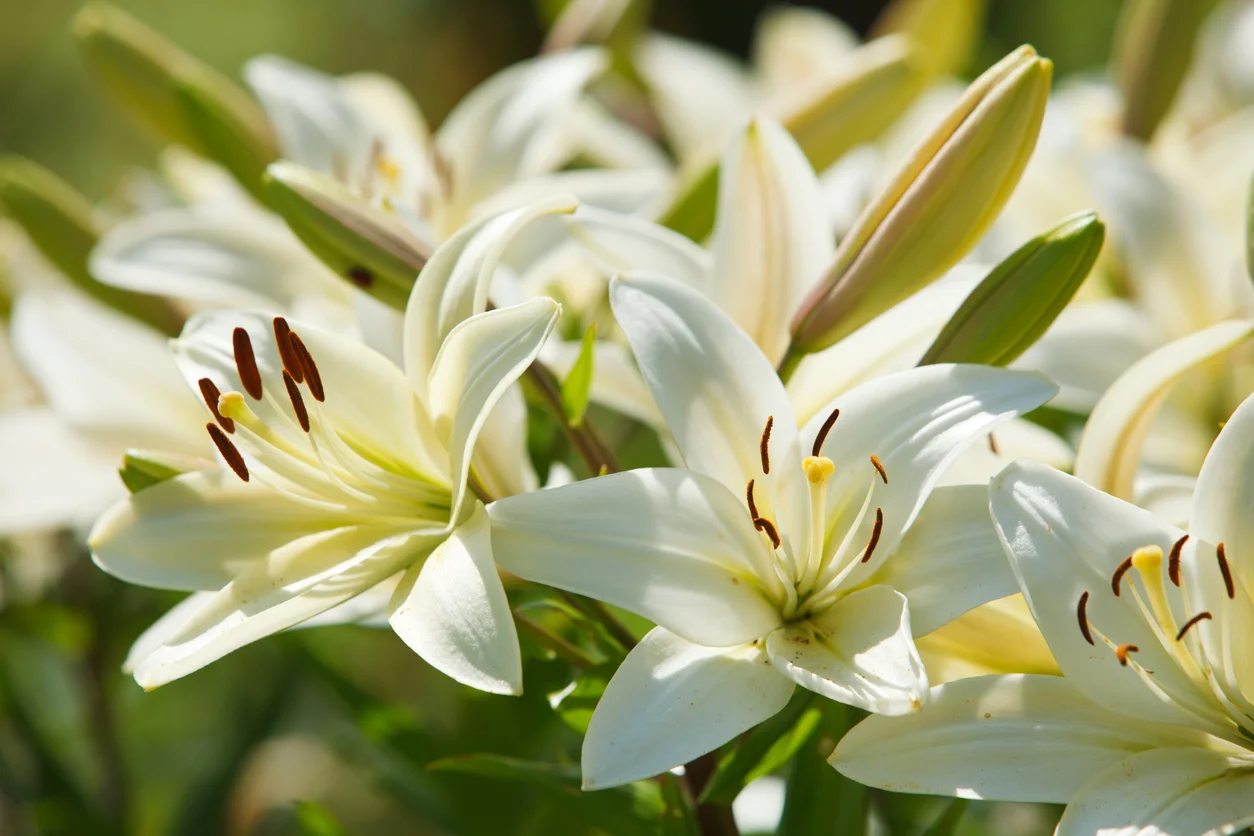
Many lily varieties are toxic to dogs and are one of the most commonly ingested poisonous plants. Depending on the type, they can cause anything from stomach upset to more serious effects, so keep them out of the house and out of any bouquets.
Yew
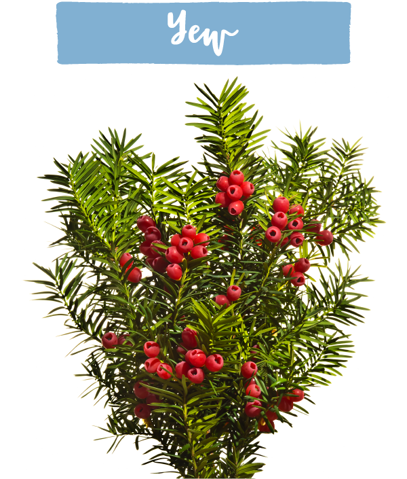

Yew is an evergreen shrub that is extremely poisonous to dogs and nearly all animals. If ingested, it can cause difficulty breathing, dangerous changes in heart rate, tremors, seizures, and even death. Treat any ingestion as an emergency and call your vet right away.
Aloe Vera
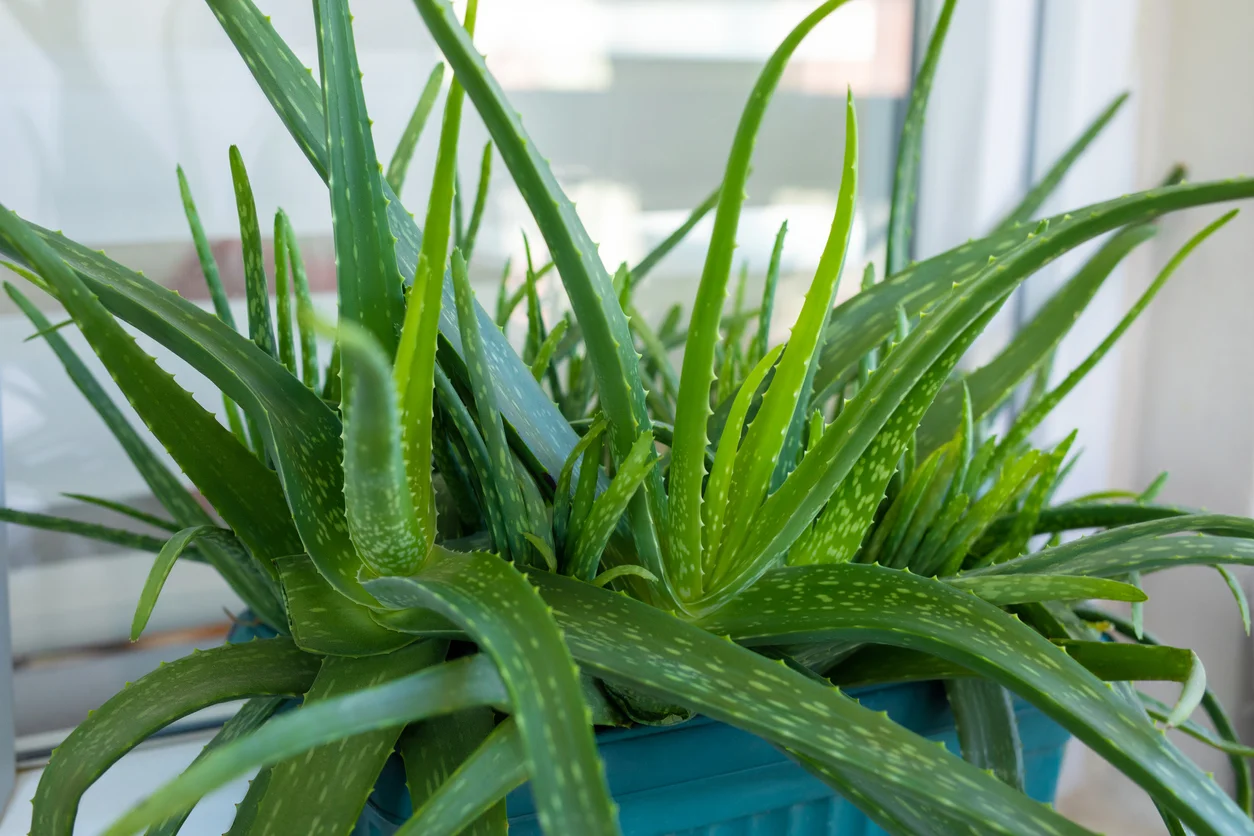
While the gel inside Aloe Vera leaves has many benefits for humans, aloe can cause vomiting, diarrhea, and lethargy in dogs if ingested.
Philodendron
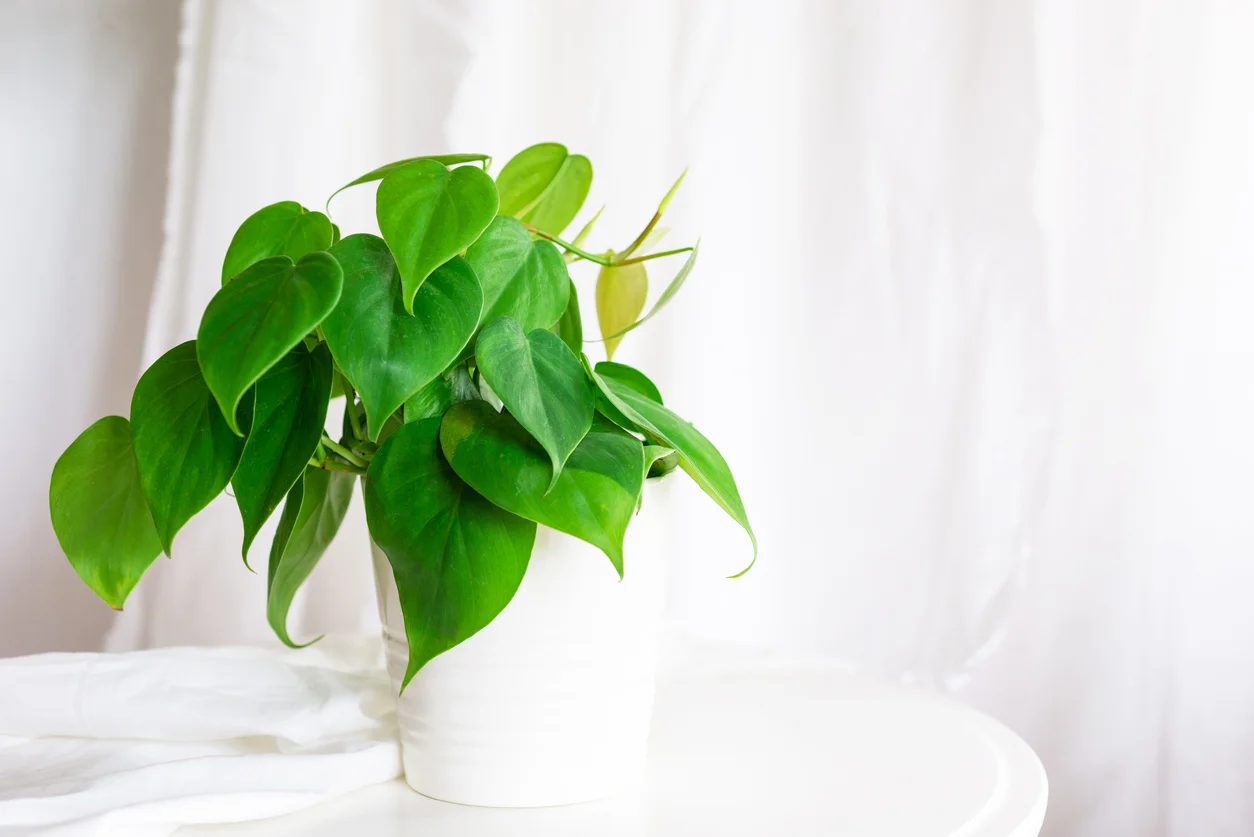
While Philodendron is a popular houseplant, it contains calcium oxalate crystals that can cause intense irritation and swelling of the mouth, tongue, and throat, leading to difficulty breathing and swallowing for your pup.
Pothos
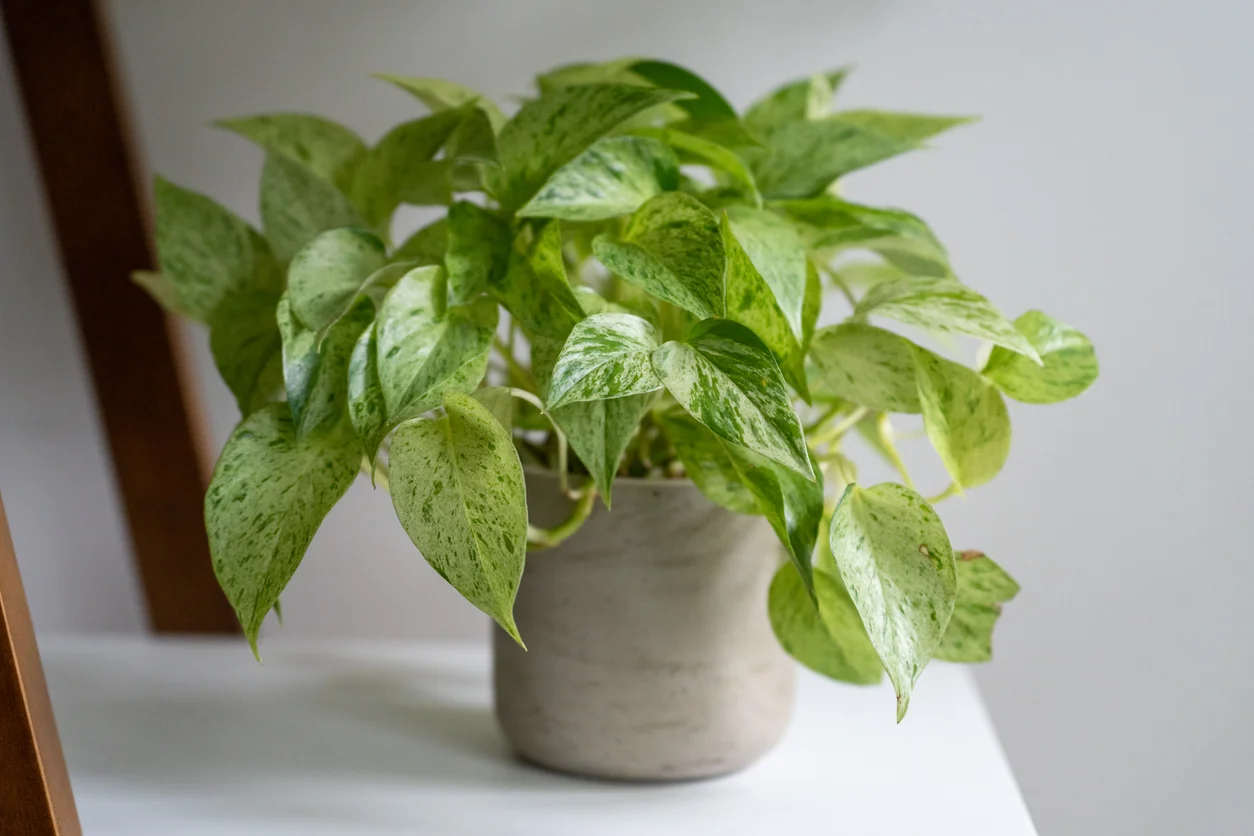
Pothos contains calcium oxalate crystals and can cause symptoms similar to philodendron if ingested by your dog.
Peace Lily
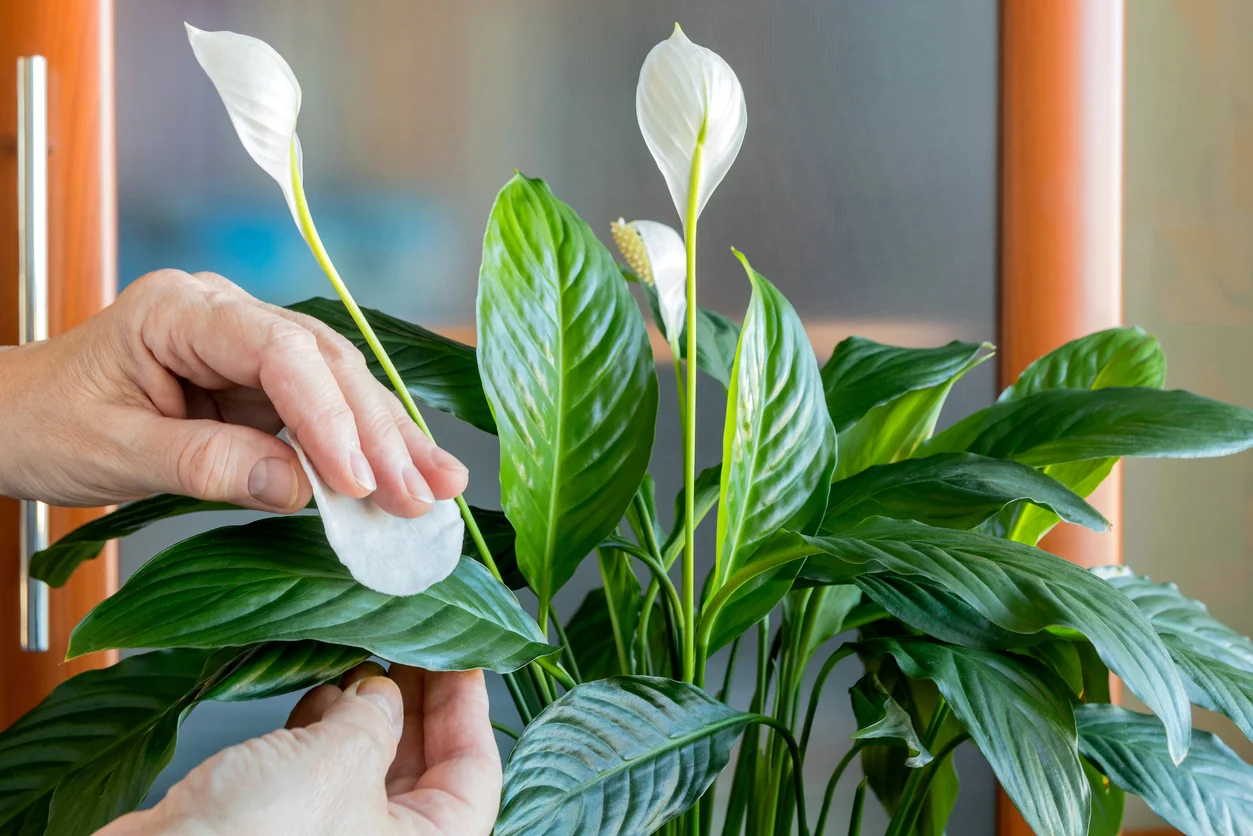
Although peace lilies are known for their air-purifying properties, they can cause oral irritation, vomiting, and diarrhea in dogs.
ZZ Plant
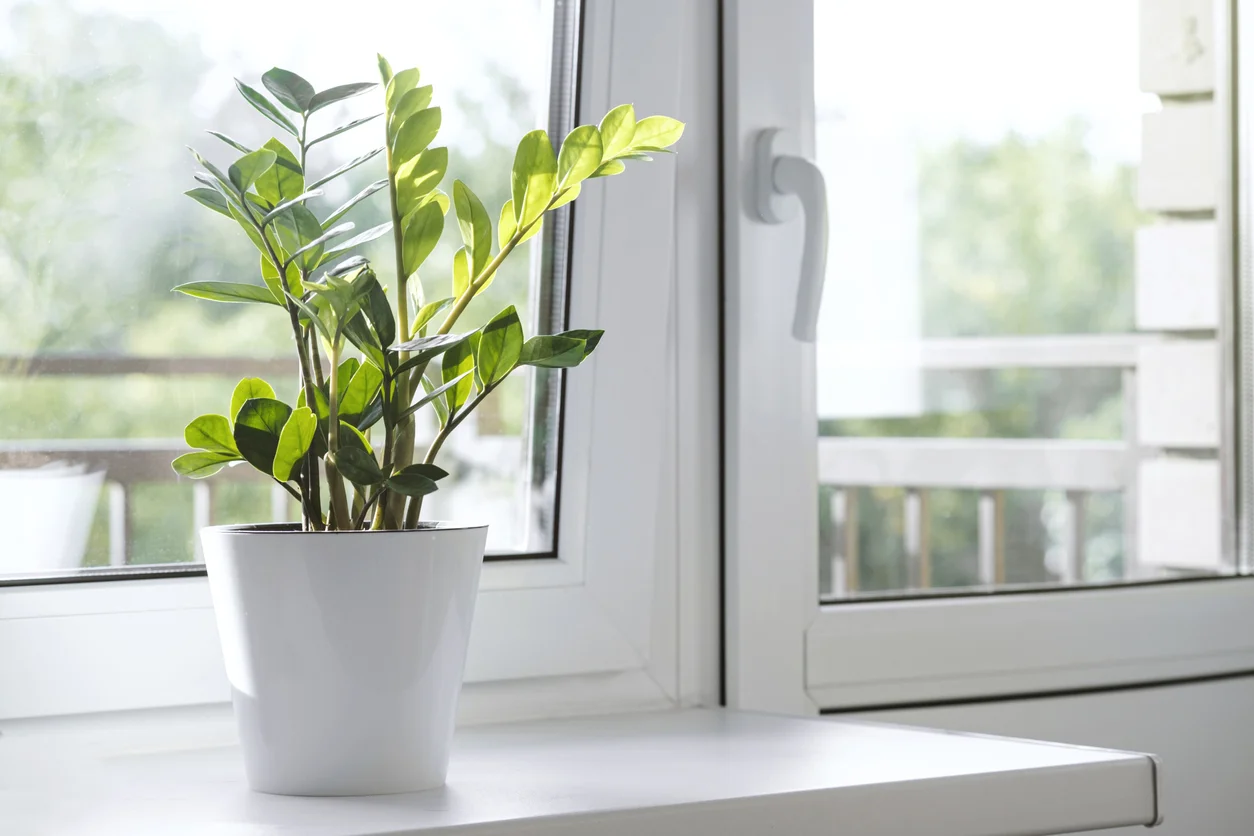
ZZ Plant is a low-maintenance plant that is great for new plant owners, but it's best to keep it away from your pup. If consumed by dogs, it can cause vomiting, diarrhea, and lack of appetite.
Snake Plant
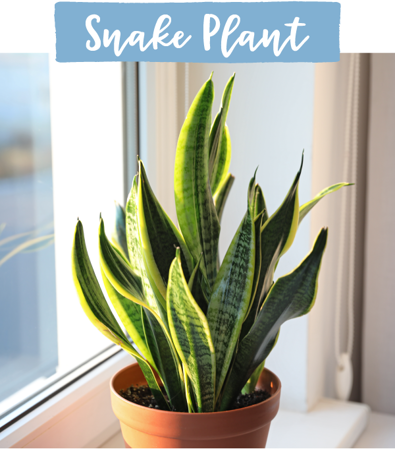
Snake Plant is a popular choice for its air-purifying properties, but it can cause nausea, vomiting, and diarrhea in dogs.
English Ivy
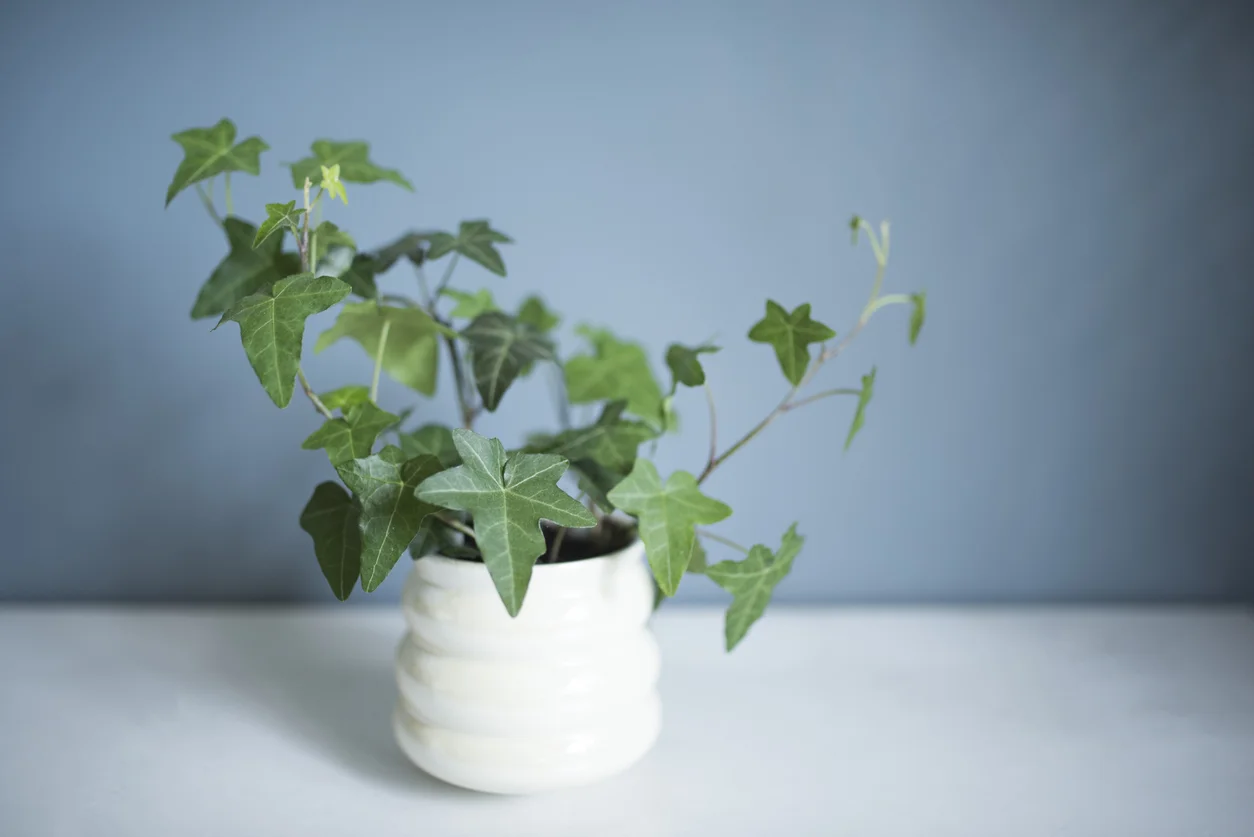
English Ivy is a trailing vine that can cause abdominal pain, vomiting, diarrhea, and even difficulty breathing if ingested by dogs.
Rubber Plant (Jade)
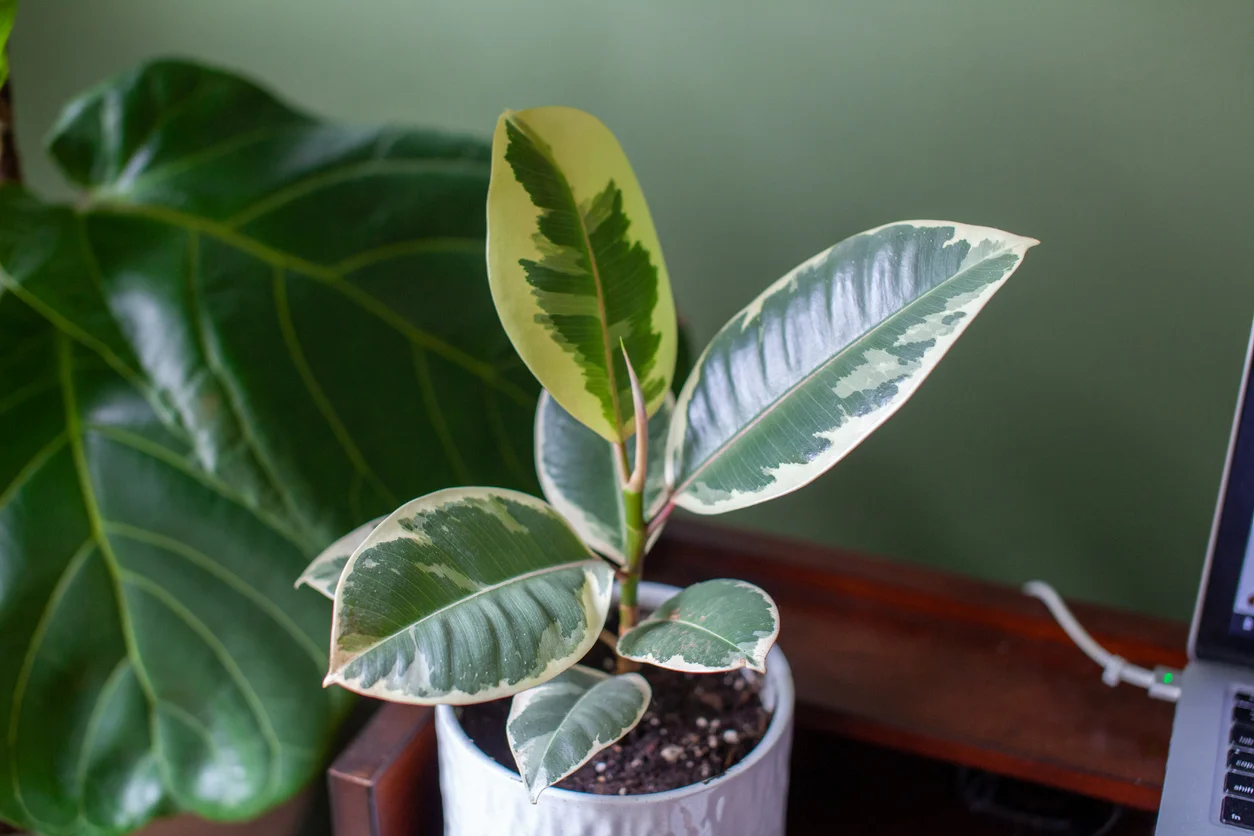
Rubber Plant is a popular houseplant that can cause vomiting, diarrhea, and in some cases, excessive drooling, difficulty swallowing, and a slowed heart rate.
Dracaena (Dragon Tree)
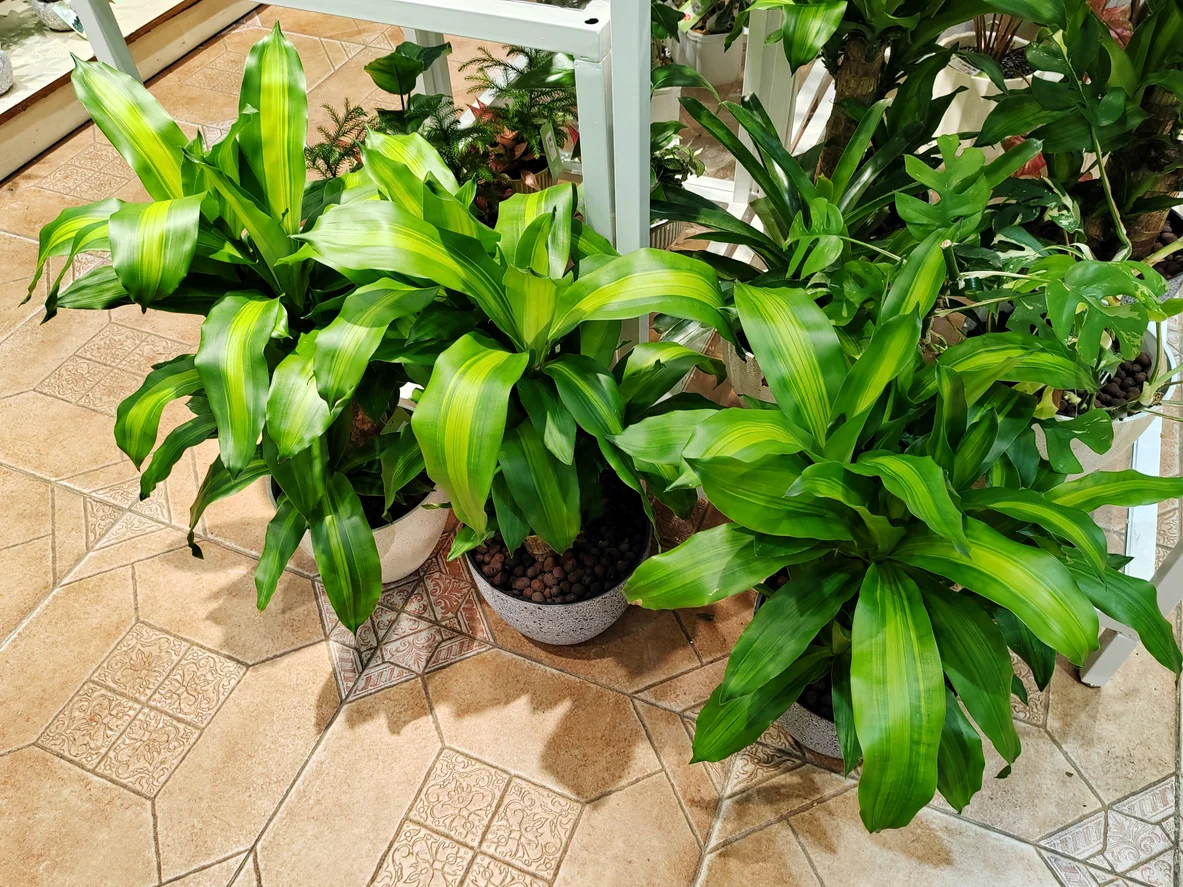
Dracaena is a leafy houseplant that can cause vomiting, appetite loss, drooling, and low energy if your dog ingests it.
Daisies
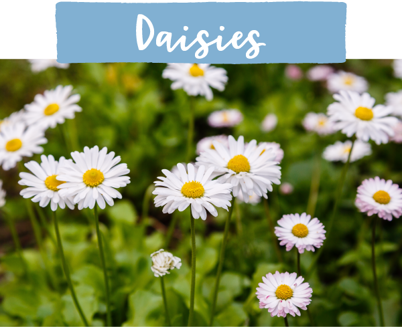
While Daisies are common in gardens and bouquets, they can cause vomiting, diarrhea, drooling, and general stomach upset in dogs.
Mums (Chrysanthemums)

While a popular fall favorite, mums can cause vomiting, diarrhea, excessive drooling, incoordination, and skin irritation in dogs.
Morning Glory

Morning glory is a climbing flower that can cause vomiting, and in larger amounts, its seeds may lead to hallucinations or disorientation in dogs.
Oregano
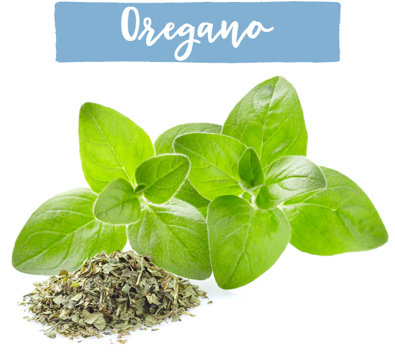
Oregano is a common kitchen herb that can bother your pup, causing mild vomiting and diarrhea if they eat too much.
Signs Your Dog Ate a Toxic Plant
Symptoms depend on the plant, how much your dog ate, and your dog's size, and they can appear right away or take hours.
Common signs to watch for include:
- Vomiting or diarrhea
- Drooling or pawing at the mouth
- Swelling of the mouth, tongue, or throat
- Loss of appetite
- Lethargy or weakness
- Difficulty swallowing or breathing
- Tremors, or in severe cases, seizures or collapse
Because some reactions are delayed and some plants (like sago palm, lilies, and yew) are especially dangerous, don't wait for symptoms to worsen before reaching out for help.
What to Do If Your Dog Eats a Toxic Plant
If you think your dog ate a toxic plant, stay calm and act quickly:
- Remove your dog from the plant and take away any plant material still in their mouth if it's safe to do so.
- Try to identify the plant. Take a photo or grab a piece to show your vet; it helps them treat your pup faster.
- Call for help right away. Contact your veterinarian, an emergency vet if it's after hours, or a poison control hotline: the ASPCA Animal Poison Control Center at (888) 426-4435 or the Pet Poison Helpline at (855) 764-7661.
- Follow their guidance, and don't induce vomiting on your own. Making your dog throw up can sometimes do more harm than good, so only do it if a professional tells you to.
Dog-Safe Houseplants
Want greenery without the worry?
Here are some beautiful houseplants that are considered non-toxic to dogs, including:
- Spider plant
- Boston fern
- Parlor palm and bamboo palm
- Ponytail palm
- Calathea (prayer plant)
- African violet
- Haworthia (a dog-safer succulent)
- Hibiscus
- Hollyhock
- Basil and cilantro (dog-safe herbs)
Keep in mind that even non-toxic plants can cause mild stomach upset if your dog eats a lot, so it's still best to discourage munching and never feed plants to your pup on purpose.
When you bring home a new plant, it's worth a quick check of the ASPCA's dog plant list to be sure it's safe.
How to Keep Your Dog Away From Plants
Here are a few simple habits to keep your curious pup safely away from your plants:
- Put toxic plants out of reach: Use high shelves, hanging baskets, or rooms your dog doesn't access, and make sure trailing vines aren't dangling within nose range.
- Treat all plants as off-limits: Teaching your dog to leave plants alone is easier than policing which ones are safe. The leave it command is especially handy here.
- Supervise curious chewers: Puppies and new dogs explore with their mouths, so keep an eye on them around greenery and use baby gates or crates when you can't watch.
- Consider artificial plants: If you want greenery in a spot your dog can reach, lifelike faux plants give you the look without the risk.
- Skip the bad-taste sprays: They can damage your plants and rarely stop a determined dog anyway. Removing or relocating the plant works better.
When in doubt, the safest choice is to keep toxic plants out of your home entirely and stick with dog-safe options.
Helpful Resources on Plant Safety for Dogs
To learn more about plant toxicity, what plants are or aren’t toxic to pups, and safety tips on plants and pups, check out these resources:
https://vcahospitals.com/shop/articles/top-10-toxic-household-plants-for-pets
https://www.petmd.com/dog/emergency/poisoning-toxicity/e_dg_poisonous_plants
https://www.aspcapetinsurance.com/resources/plants-toxic-to-dogs/
https://www.aspca.org/pet-care/animal-poison-control/dogs-plant-list
Keep Your Pup Safe and Happy at Camp Bow Wow®
Creating a safe space for your dog at home is a big part of being a pet parent, and when your pup needs a place to play or stay while you're away, Camp Bow Wow® has you covered.
Our dog daycare and boarding programs are designed with your pup's safety and fun in mind, and our Certified Camp Counselors® keep a close eye on every Camper throughout the day.
Find your local Camp Bow Wow® and book a worry-free day of play!
Frequently Asked Questions
What Is the Most Dangerous Plant for Dogs?
Sago palm is among the most dangerous. Every part is toxic, and even a small amount can cause severe liver damage that's potentially fatal, so it should be kept out of any home with a dog. Lilies, yew, and oleander are also especially dangerous.
If your dog eats any of these, treat it as an emergency and call your vet or poison control right away.


.jpg.2607150725574.webp)