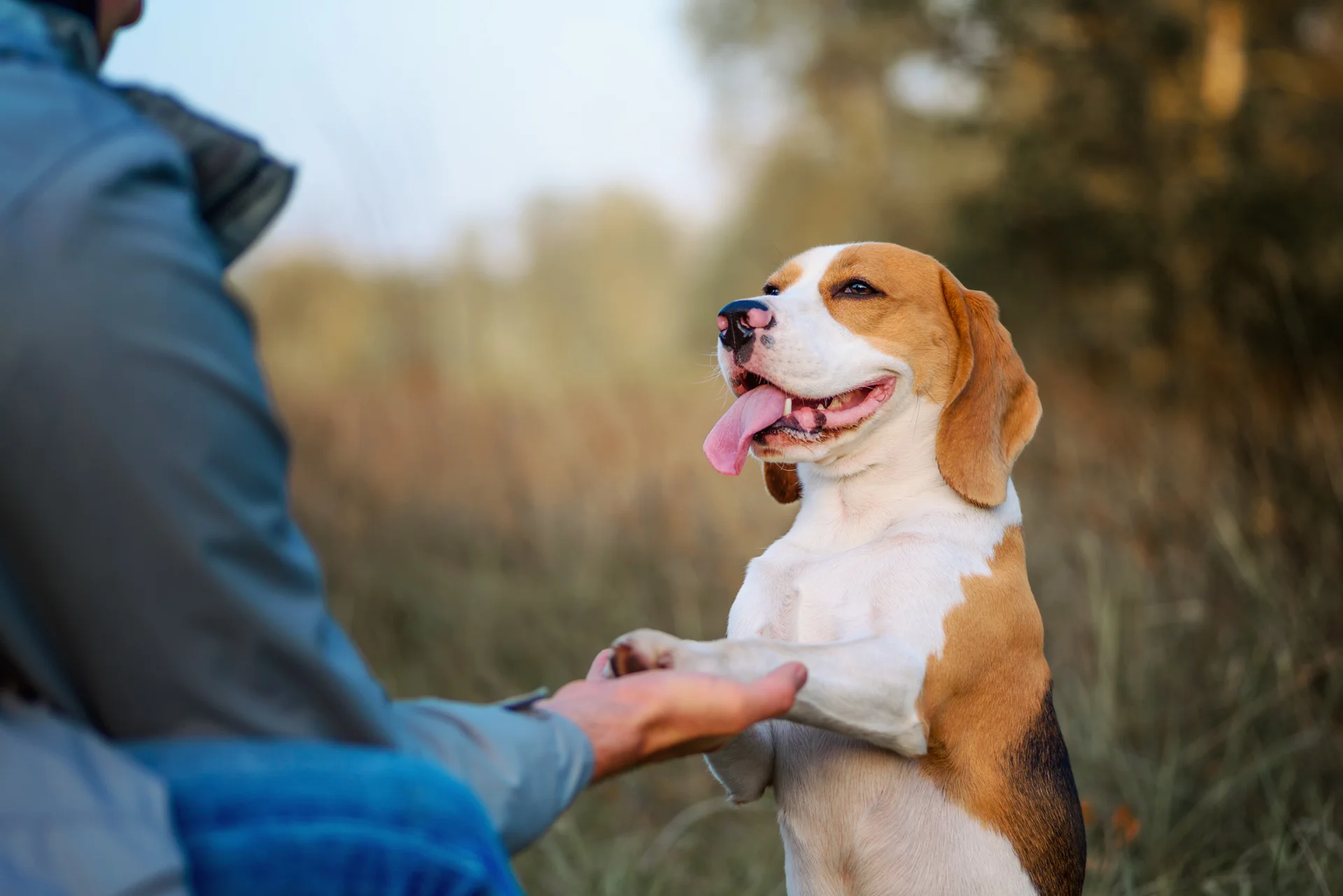

Watching a beloved dog enter their golden years is a deeply meaningful experience filled with quiet moments, gentle walks, and a lifetime of shared memories. As our dogs age, their care needs naturally evolve. While pet parents diligently adjust daily home routines, choosing the right senior dog boarding facility becomes especially important when traveling or spending time away.
Caring for a senior dog requires adjusting daily routines and environments to support their changing physical, cognitive, and nutritional needs. Dogs are generally considered seniors around 7 to 10 years of age, though smaller breeds tend to enter this phase later while larger breeds reach their senior years earlier. When boarding a senior dog, look for a facility that can accommodate their mobility, feeding and medication needs, activity level, rest requirements, health conditions, and temperament. Identifying a high-quality boarding environment means looking for specialized care protocols designed around senior comfort, accessibility, and attentive supervision.
What Should You Look for in Senior Dog Boarding?
A top-tier boarding facility should actively mirror the gentle accommodations you provide at home. When evaluating a boarding partner for your older companion, look for these foundational physical care standards:
Tailored Diet and Weight Management: As a dog's metabolism slows down with age, they may become more prone to weight gain, which places unnecessary strain on aging joints. A good facility should follow your dog's feeding instructions and accommodate their established diet and nutritional needs. Be sure to discuss any supplements or special feeding requirements with the facility before your dog's stay.
Low-Impact Exercise Options: Daily activity remains vital to maintain muscle tone and joint flexibility, but it may need to be adjusted based on your dog's age, health, and mobility. Look for a facility that can balance appropriate activity with opportunities for rest and avoid pushing an older dog beyond their physical limits.
Vigilant Health Monitoring: Senior dogs can experience age-related changes involving mobility, hearing, vision, behavior, and overall health. Staff should be attentive to changes in your dog's behavior, appetite, energy level, or movement and have clear procedures for communicating concerns that arise during your dog's stay.
Medication and Health Needs: Before boarding, ask how the facility handles medications and existing medical conditions. Provide clear instructions about your dog's medications, health history, mobility limitations, allergies, and any symptoms or behaviors staff should watch for. You should also understand the facility's procedures for contacting you and obtaining veterinary care if a health concern or emergency occurs.
How a Boarding Facility Can Keep Senior Dogs Comfortable
The physical layout of a lodging facility plays a significant role in keeping an older dog comfortable and secure. Senior dogs may benefit from accommodations that account for reduced mobility, greater need for rest, and other age-related changes.
1. Supportive Sleeping Areas
Older dogs often need more opportunities to rest, particularly after activity. Ask about the sleeping accommodations available and whether you can provide familiar or supportive bedding when appropriate. A comfortable resting environment can be especially important for dogs experiencing stiffness or age-related mobility changes.
2. Slip-Free Surfaces and Easy Access
Reduced mobility can make navigating unfamiliar environments more difficult for some senior dogs. When touring a boarding facility, consider how easily your dog will be able to move between sleeping, play, feeding, and outdoor areas. Ask staff how they accommodate dogs that have difficulty with slippery surfaces, stairs, or other physical obstacles.
3. Convenient Rest and Potty Layouts
Senior dogs may need more frequent opportunities for rest, water, and potty breaks. Discuss your dog's normal routine with the boarding team, including any changes in bladder control or mobility, so staff understand their individual needs during their stay.
The Camp Bow Wow Approach to Senior Care
At Camp Bow Wow®, we treat our senior Campers with the respect, care, and attention they deserve. Because every senior dog is different, understanding each Camper's individual needs is an important part of helping them have a comfortable stay.
Before your senior dog stays at Camp, talk with your local Camp Bow Wow team about their mobility, health needs, medications, feeding routine, activity level, and temperament. This information can help our team understand your dog's routine and determine how best to support them during their stay.
Our approach to caring for senior Campers may include:
Appropriate Play and Rest: Senior dogs vary widely in how much activity they enjoy and can comfortably handle. Our team pays attention to each Camper's behavior and activity level while providing opportunities for play and rest during their stay.
Enrichment and Companionship: Mental stimulation and positive social interaction can remain important throughout a dog's life. Depending on your dog's needs and the services available at your local Camp, enrichment activities and individual attention can add variety and engagement to their stay.
Certified Camp Counselor® Supervision: Our Certified Camp Counselors® are trained to supervise Campers and pay attention to their behavior and well-being throughout the day. For senior dogs, communicating known mobility limitations, health concerns, and changes in normal behavior helps our team understand what is typical for your pup.
Peace of Mind for Your Senior Dog
Boarding an older dog does not have to be a source of stress. By choosing a facility that understands your dog's individual needs and provides appropriate activity, comfortable rest, attentive supervision, and clear communication, you can enjoy your time away knowing your best friend is receiving thoughtful care.
Before booking senior dog boarding, talk with the facility about your dog's health, medications, mobility, feeding schedule, daily routine, and any recent behavioral changes. The more the boarding team knows about your senior dog, the better prepared they can be for their stay.
Is your senior pup ready for a comfortable stay? Contact your local Camp Bow Wow® to learn more about our dog boarding services, discuss your senior dog's individual needs, and find a Camp near you.