

Table of Contents
- Why Dogs Shed
- How to Control Your Dog's Shedding
- How to Remove Dog Hair From Your Home
- When to See a Vet About Excessive Shedding
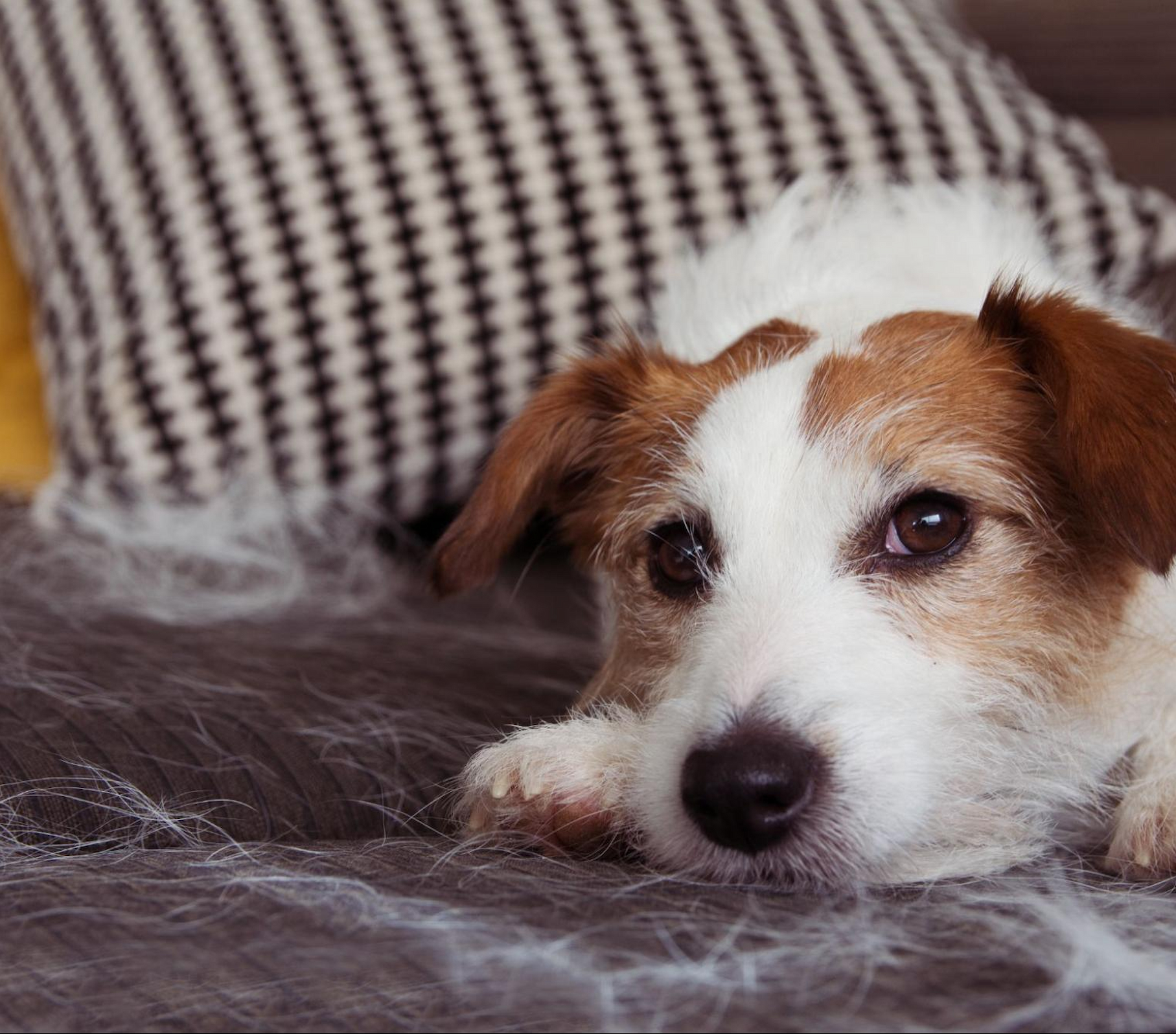
If you have a pup in the family, chances are your home is covered in fur. You're not alone. Pet parents everywhere know the struggle, and while shedding is a completely natural process for dogs, there are simple ways to manage it. Regular brushing, a healthy diet, and a few good cleaning habits go a long way toward keeping loose fur under control and your home cleaner.
Below, we’ll walk through simple, effective ways to reduce and manage your dog’s shedding.
Why Dogs Shed
Shedding is a normal part of a dog’s life. Dogs shed old or damaged hair as part of their natural coat cycle, and most shed year-round, with heavier shedding in spring and fall as they transition between seasonal coats.
Breed plays a big role as well. Double-coated dogs like Golden Retrievers, Huskies, and German Shepherds tend to shed significantly more than short-haired or low-shedding breeds.
The goal isn’t to stop shedding completely; it’s to manage loose fur so it ends up in a brush or vacuum, not all over your home.
How to Control Your Dog's Shedding
Regular Brushing
Regular brushing is one of the best ways to reduce shedding. It removes loose hair before it falls around your home while also keeping your dog’s coat and skin healthy.
Here’s how often you should brush your dog based on their coat type:
- Heavy shedders or double-coated breeds: 4 to 7 times per week
- Medium shedders: 2 to 3 times per week
- Short-haired or low-shedding breeds: Once a week is usually enough
Some helpful tools you can use that make a difference:
- A slicker brush works well for long or thick coats and is good at reaching the undercoat
- A rubber brush or grooming mitt is better for short-haired dogs
- A de-shedding tool like a Furminator can significantly reduce undercoat buildup in heavy shedders
Brush your dog outside when possible. It helps keep the loose fur out of your house entirely.
Bathing Your Dog the Right Way
Baths help loosen and remove dead hair, especially when paired with the right products. Most dogs do well with a bath every 4 to 8 weeks, though some do fine with less frequent baths. The key is not overdoing it. Bathing too often strips natural oils from your dog's skin, leading to dryness and increased shedding over time.
A de-shedding shampoo or conditioner can make a real difference. These products hydrate the skin, strengthen hair follicles, and encourage loose fur to release during the bath rather than on your couch later.
Diet and Nutrition for a Healthy Coat
Your dog’s diet plays a major role in how much they shed. A poor diet can lead to dry skin, a dull coat, and increased shedding, while a balanced diet supports strong, healthy hair growth.
Here are a few things that help:
- High-quality protein is the building block of a healthy coat. Look for food with a named protein source like chicken, salmon, or beef as the first ingredient.
- Omega-3 and Omega-6 fatty acids support coat health and reduce dry skin-related shedding. Salmon-based foods and fish oil supplements are common sources.
- Biotin supplements can also support hair follicle strength, though they're not necessary for every dog.
- Fresh water, consistently available. Dehydration causes dry skin, which increases shedding. It's simple but easy to overlook.
Talk to your vet before adding supplements to your dog's diet. They can point you toward the right options based on your dog's age, breed, and health history.
How to Remove Dog Hair From Your Home
Even with a good routine, some shedding will still happen. Keeping your home clean helps manage the rest.
Here are a few effective ways to stay ahead of dog hair:
- Vacuum regularly: Use a vacuum with high-powered suction to pick up pet hair from furniture, floors, and carpets.
- Use high-quality lint rollers: As a pet parent, you're no stranger to lint rollers! Keep these handy for easy and quick fur removal.
- Brush your dog outside or in the garage: Brushing your pup outdoors will keep their fur out of the house! If that’s not an option for you, try brushing them in the garage or any other area away from living spaces.
- Invest in a good pet hair remover tool: Many products on the market are designed specifically for removing pet fur from furniture and hard surfaces like tile or wood floors. These tools usually come with special grippers that can easily lift pesky hairs off of surfaces, so they don’t stick around inside your home.
- Cover high-use areas with blankets or throws: Covering couches and chairs with washable blankets is an effective way to keep pet hair at bay.
When to See a Vet About Excessive Shedding
Most dog shedding is completely normal, but sometimes it can signal an underlying issue.
Contact your vet if you notice:
- Bald patches or thinning in specific areas
- Red, irritated, or flaky skin
- Shedding has increased suddenly without a seasonal explanation
- Your dog scratching or licking more than usual, which could signal fleas, allergies, or a skin condition
Keeping up with flea and parasite prevention is also important. Flea irritation causes dogs to scratch and bite at their skin, which increases hair loss beyond normal shedding.
Keep Shedding Under Control with Camp Bow Wow®
Shedding is a natural part of life with a dog, but with the right care, it doesn’t have to take over your home. When brushing and bathing at home aren’t enough, a professional groom can make a real difference.
Camp Bow Wow offers grooming services that can be added to any boarding or daycare stay, helping remove excess fur and support a healthy coat so your pup comes home feeling fresh and clean. Find your local Camp and book a grooming appointment today.