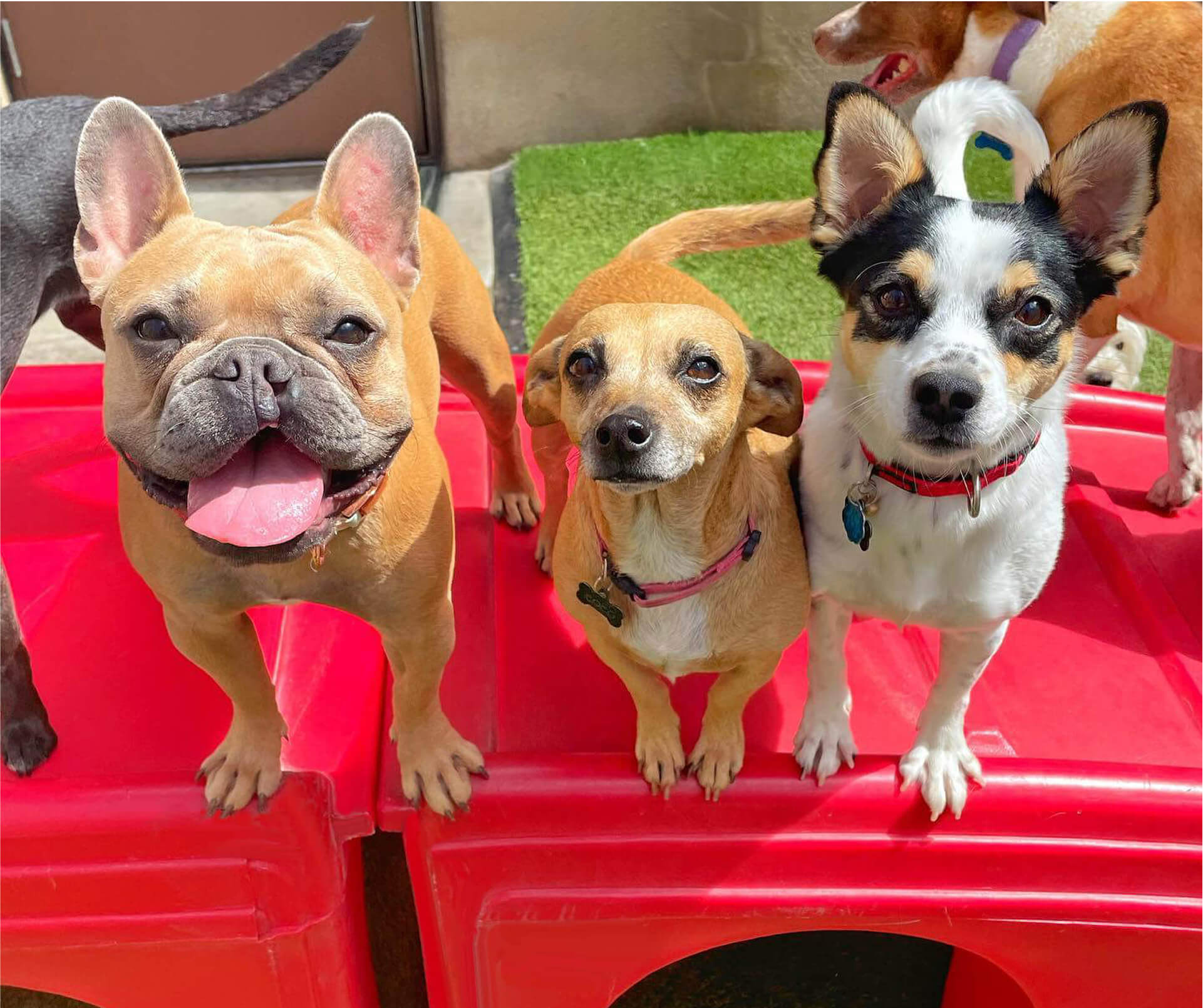
The following information is provided to help raise your awareness of potential issues and hazards related to your dog’s health and well being. We encourage you to use it to peak your awareness and hone your focus on prevention. As always, we also encourage you to use all such information as a foundation for further discussions with your dog’s Veterinarian.
10 Common Signs of Cancer in Animals
Your animal should be seen by a veterinarian if they have any of the signs listed here. These signs can point to several illnesses, including cancer. The earlier a diagnosis is made, the better the options may be for treatment. Just like humans, pets should get regular “well-pet” check-ups to monitor their health. However, if you notice any of these symptoms between well-pet check ups – schedule an appointment with your veterinarian as soon as possible.
|
Abnormal swellings that persist or continue to grow
|
Pet your pet! This is the best way to find lumps, bumps or swellings that could be anywhere.
|
|
Sores that do not heal
|
Non-healing sores can be a sign of infection or cancer. Your veterinarian is the best to determine the reason why the sore is not healing.
|
|
Weight loss
|
If your pet is not on a diet but is losing weight, illness could be to blame.
|
|
Loss of appetite
|
It is not normal for pets to lose their appetite.
|
|
Bleeding or discharge from any body opening
|
Bleeding can occur for numerous reasons - most of which are abnormal. Vomiting and diarrhea are abnormal discharges as well!
|
|
Offensive odor
|
This is a common sign especially for tumors in the mouth or nose.
|
|
Difficulty eating or swallowing
|
This is a common sign of cancers of the mouth and neck region.
|
|
Hesitation to exercise or loss of stamina
|
This can be one of the first signs that your pet is not feeling well.
|
|
Persistent lameness
|
|
|
Difficulty breathing, urinating or defecating
|
|
If your pet experiences any of these symptoms please have them evaluated by a veterinarian.
A few cancer facts:
- Cancer is the uncontrolled growth of abnormal cells on or within the body. Not all cancers are the same. Depending on the location and biologic behavior many can be treated successfully and even cured
- Cancer is the leading cause of death in pet cats and dogs in the United States. As many as 70% of pets die of cancer.
- Cancer is often a treatable or even curable disease with specialized cancer care.
- Many of the same treatments that are available for humans are now available for pets such as chemotherapy, radiation therapy and surgery. While some of these services are available through your regular veterinarian, your pet may need a referral to a cancer specialist (veterinary oncologist) for this care.
- Different cancers may require different forms of treatment. Some patients will only need tumor removal where as others will need a combination of treatments.
Harmful Foods and Household Items
Many foods and household items that cause no harm to humans are toxic to your dog. If ingested, things as common as chocolate, coffee, sugar-free gum and grapes can put their lives in jeopardy.The idea is not to scare you, but to help you be informed and prepared to help keep your dog safe and healthy.
A list of some of the most common items to avoid appears in a table below. While this list is not all inclusive, it helps you understand some of the things around your home that you need to make sure you keep away from your dog.
It also heightens your awareness in case your dog ingests something hazardous because unfortunately, as preventative as we try to be, accidents still happen:
- Dogs have been known to jump on counters, open cabinets, chew on containers, and especially to dig in garbage in pursuit of leftovers
- Their noses lead them to treasure troves of items that aren’t good for them: antifreeze, cigarette butts, and discarded gum
- Well intended friends, family and especially children love to slip them “people” food, especially at parties and during the holidays
Don’t wait until you have an emergency to get your act together!
- Have your Vet’s name and phone number, and especially their emergency contact number posted in an area where everyone in your family can easily find it
- Talk to your Vet about after-hours service – if they recommend an emergency facility, make sure that you have their number available and know how to get there – stopping to run a map off the Internet is not something you want to be doing during an emergency
- If your dog ingests something that you know to be hazardous, DON’T WAIT – get on the phone with your Vet or emergency contact and seek their council. Proactive, well advised actions are better than any unadvised, “wait and see what happens” approach
- If you opt to head directly to the Vet or Emergency Center, call in-route and let them know you are coming. It will give them a chance to prepare for your arrival and have resources ready to assist
- If no one else is available, there are emergency hotlines that you can tap, including the ASPCA Animal Poison Control Center Hotline. They are available 24 hours a day, 365 days a year – but be aware that they may charge you a consultation fee. Their number: (888) 426-4435 and their website is:
On the ASPCA website listed above there is also a feature titled “Cooper the Careful Canine” that you may find interesting – it provides visual walk-through of an animated home that prompts you to clean up things in the various rooms that are potentially hazardous to your dog. You may find it to be a good overview for yourself, as well as a tool to help educate your family and friends.
Common foods that have been found to be hazardous to dogs
|
Alcoholic beverages
|
Never give alcohol to your pets. Toxicity can cause a wide variety of signs and symptoms, and may result in death
|
|
Chocolate
|
Chocolate poisoning can cause vomiting, diarrhea, tremors, hyperactivity and seizures. In general, the darker the chocolate, the more toxic it is – and baking chocolates are especially dangerous.
|
|
Coffee
|
Dogs that eat coffee grounds or beans can get "caffeine" toxicity. The symptoms are very similar to those of chocolate toxicity
|
|
Garlic
|
Raw, cooked and powdered forms of garlic have toxic potential, similar to onions, impacting red blood cells.
|
|
Grapes and Raisins
|
Ingesting large amounts of grapes and raisins appear to cause renal failure. Experts don’t know whether or not eating them over a period of time will have the same affect as ingesting a large amount at one time, so it is safest to avoid them all together
|
|
Gum
|
See “Xylitol”
|
|
Nuts
|
All nuts contain fats, which can cause vomiting and diarrhea, and can also inflame the pancreas / cause pancreatitis. They also contain salt, which poses the issues listed below. Macadamia nuts are especially harmful and ingestion can cause symptoms including a wobbly walk, depression, muscle tremors, vomiting, elevated body temperature, weakness and elevated heart rate.
|
|
Onions
|
Onions can impact a dog’s red blood cells, leading to anemia
|
|
Popcorn
|
Popcorn has been known to cause an upper airway obstruction by getting lodged in a dog’s throat
|
|
Salt
|
It is a good idea to avoid feeding your dog foods that are high in sodium. Large amounts of salt can make them extremely thirsty; can lead to excessive urination; and possibly to sodium ion poisoning. Additional symptoms include vomiting, diarrhea, depression, tremors, elevated body temperature, and seizures.
|
|
Xylitol (Sweetener)
|
Xylitol, a sweetener found in many sugar-free chewing gums, candies, baked goods and toothpastes. In dogs, Xylitol triggers release of insulin. Dogs that eat significant amounts can develop a sudden drop in blood sugar, which can cause weakness, lethargy, loss of coordination, collapse and seizures. Xylitol is also believed to be linked to liver damage and bleeding disorders.
|
|
Yeast Dough / Bread Dough
|
When ingested, bread or yeast dough will "rise" in the stomach just as it would for bread
|
Common items found around the home that have been show to be hazardous to dogs
|
Acetaminophen
|
Large doses of acetaminophen (the active ingredient in Common brands include Tylenol®, Percoset®, aspirin free Excedrin® and various sinus, cold and flu medications) has been shown to cause liver damage. Be especially careful that dogs don’t have access to improperly stored or open bottles
|
|
Aluminum Foil
|
Ingestion can cause internal bleeding
|
|
Anti-Freeze
|
The deadly sweet taste of anti-freeze attracts dogs. If your dog ingests anti-freeze, seek help from your vet IMMEDIATELY. As a preventative measure, consider switching from conventional ethylene glycol antifreeze to products containing propylene glycol (which are less toxic)
|
|
Ice Melt Products
|
Salt and chemicals can irritate and/or burn the pads of the paws. Street salt gets wedged between the pads and it stings.
|
|
Plastic Wrap
|
Dogs may pull this from the garbage, especially if it has food stuck to it. Ingesting can cause blockages in the intestines or choking
|
|
Tobacco Products
|
Cigarettes, tobacco, nicotine patches and nicotine gum can cause nicotine poisoning
|
|
|
|
|
 |  | Location
| | 6374 Sashabaw Rd. | | Clarkston, Michigan 48346 | | View Map | | Email Us | | | Phone
| | Camp: | 248-620-9663 (WOOF) | | Fax: | 248-620-9611 |
| | | Hours
| | Weekdays: | 6:30am - 7pm | | Saturday: | 7am - 10am & 4pm - 7pm | | Sunday: | 7am - 10am & 4pm - 7pm | | Holidays: | 7am - 10am & 4pm - 7pm |
|
|
|
|
|